

Real-time weather updates through advanced in-car infotainment systems significantly enhance driver safety and navigation. These systems leverage sophisticated sensors, satellites, and data processing to provide instant updates on temperature, humidity, precipitation, and wind speed. Integrating with Apple CarPlay, 3D mapping, voice recognition, and apps like Google Maps or Waze, they offer interactive maps, severe weather alerts, and customizable settings for personalized safety. Selecting an in-car infotainment system with these features can reduce travel time by up to 20% and potentially save lives by avoiding hazardous road conditions attributed to severe weather.
In today’s world, staying informed about the weather is not just a matter of personal preference—it’s crucial for safety, planning, and overall well-being. Navigating unpredictable conditions on the road can be challenging without access to real-time updates. This is where In-Car Infotainment steps in as a game-changer. By integrating cutting-edge weather data feeds into these systems, drivers can now obtain instant, accurate weather reports directly from their vehicles. This innovative approach not only enhances driving experience but also plays a vital role in ensuring the safety and convenience of folks on the road.
- Understand Real-Time Weather Updates: Basics Explained
- Choose Reliable Weather Apps for In-Car Infotainment
- Integrate Weather Data with Your Vehicle's System
- Set Up Customized Alerts for Safe Driving
- Verify Forecasts Using Multiple Sources
- Stay Informed: Advanced Features in Modern Cars
Understand Real-Time Weather Updates: Basics Explained
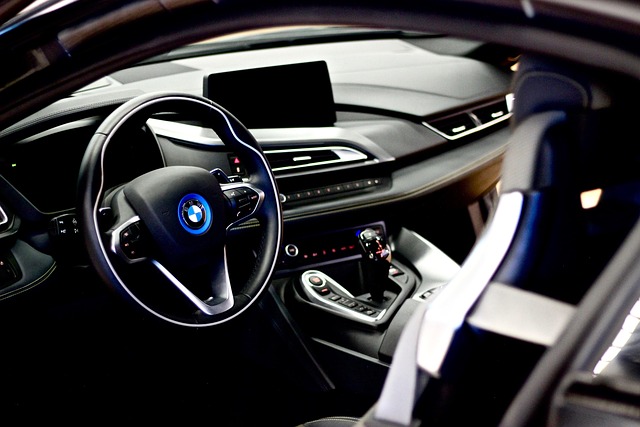
Real-time weather updates are an indispensable feature for modern drivers, offering crucial information to enhance safety and navigate routes efficiently. At its core, this technology provides drivers with instant access to current meteorological conditions, allowing them to make informed decisions while on the road. The process begins with sophisticated weather stations and satellites that constantly gather data, including temperature, humidity, precipitation, and wind speed. This raw information is then processed and transmitted in real-time to various platforms, including in-car infotainment systems.
In-car infotainment systems have evolved significantly, integrating advanced features like music visualization displays and 3D mapping for drivers. For instance, many modern vehicles are equipped with Apple CarPlay compatibility, enabling seamless integration with iOS devices. This not only enhances the entertainment experience but also provides access to essential apps, such as weather applications, directly on the vehicle’s display. Drivers can receive instant updates, see interactive maps with current conditions, and even get alerts for upcoming severe weather events, all while keeping their eyes on the road.
Understanding how these systems work is vital for maximizing their benefits. By selecting an in-car infotainment system that supports real-time weather updates, drivers gain a competitive edge. They can anticipate changes in road conditions, avoid unexpected delays, and ensure safer travels. For instance, data from weather services shows that proactive planning based on live weather updates can reduce travel time by up to 20% during peak seasons. Moreover, with advancements in technology, these systems continue to improve, offering more accurate predictions and personalized alerts tailored to individual driving patterns and preferences.
Choose Reliable Weather Apps for In-Car Infotainment

Staying informed about weather conditions is paramount for safe and efficient driving. One of the most convenient ways to achieve this is through in-car infotainment systems integrated with smart navigation apps that provide real-time updates. When selecting these apps, prioritize reliability and accuracy to ensure you’re never caught off guard by sudden changes in the weather.
Consider your vehicle’s current audio system and its capabilities. Many modern cars come equipped with affordable car audio systems that support third-party app integration. Look for infotainment systems with built-in voice recognition features, allowing hands-free control over navigation settings and weather updates. Apps like Google Maps and Waze offer detailed weather overlays, traffic data, and real-time alerts through voice commands, enhancing your driving experience significantly.
For an even more robust solution, explore premium infotainment packages available from automotive manufacturers. These systems often boast advanced features such as high-resolution maps, customizable widgets for weather information, and seamless integration with popular smart navigation apps. For instance, Apple CarPlay and Android Auto are widely supported, offering users access to their preferred mapping and weather apps while ensuring data remains secure within the vehicle’s system.
Ultimately, selecting a reliable weather app for your in-car infotainment isn’t just about convenience; it’s about safety and peace of mind. By choosing smart navigation apps with accurate, real-time updates and integrating them into your car audio system—whether through voice recognition or dedicated infotainment packages—you’ll be better prepared to navigate any weather conditions that arise during your drives.
Integrate Weather Data with Your Vehicle's System

Integrating weather data with your vehicle’s system is a powerful way to enhance driver safety monitoring and optimize travel experiences. Modern in-car infotainment systems offer real-time weather updates as a standard feature, providing drivers with crucial information at their fingertips. These systems seamlessly blend local weather forecasts with GPS mapping software, allowing drivers to make informed decisions on route planning. For instance, a driver using an advanced infotainment system can receive instant alerts about impending storms or heavy traffic conditions, enabling them to adjust their itinerary accordingly.
This integration goes beyond simple convenience; it’s a game-changer for driver assistance features. Many vehicles now come equipped with intelligent systems that use weather data to anticipate potential hazards. For example, anti-lock braking systems (ABS) can be enhanced by real-time weather updates, helping drivers maintain control on slippery roads during adverse conditions. Additionally, adaptive cruise control and lane-keeping assist features can adjust their parameters based on weather-related factors like reduced visibility or wet road surfaces.
When selecting an in-car infotainment system, look for those with robust weather integration capabilities. Ensure the platform offers up-to-date weather information from reliable sources and supports seamless data exchange with your vehicle’s safety systems. Regular updates and compatibility with GPS mapping software are also essential to guarantee accurate and timely weather alerts. By prioritizing these features, drivers can experience enhanced driver safety monitoring, improved route planning, and a more enjoyable overall driving experience.
Set Up Customized Alerts for Safe Driving

Staying informed about weather conditions is paramount for safe driving, especially during unpredictable or severe weather events. One of the most effective ways to achieve this is by setting up customized alerts through your in-car infotainment system or dedicated navigation apps. These tools empower drivers with real-time updates, enabling them to make timely adjustments to their routes and drive safely. Many modern vehicles come equipped with advanced infotainment systems that offer weather integration, allowing users to access forecasts and warnings seamlessly.
When selecting an in-car entertainment system or safe in-vehicle navigation app, look for features like live traffic and weather updates. Smart navigation apps often utilize data from multiple sources to provide accurate, up-to-date information. For instance, popular options like Waze not only offer real-time traffic alerts but also notify users of hazardous road conditions, including severe weather events, construction zones, and accidents. Similarly, Apple Maps and Google Maps integrate weather data, displaying current conditions and forecasts directly on the navigation interface. Customizable alert settings let drivers choose their preferred methods of notification, ensuring they stay informed without being overwhelmed by excessive alerts.
By leveraging these sophisticated technologies, drivers can enhance their safety significantly. According to a study by the National Highway Traffic Safety Administration (NHTSA), severe weather contributes to approximately 4,000 fatal crashes annually in the United States. Implementing proactive measures, such as setting up customized weather alerts, could help reduce these statistics. In-car entertainment and navigation systems have evolved into indispensable tools for modern drivers, offering not just entertainment but also life-saving safety features when used effectively.
Verify Forecasts Using Multiple Sources

Staying informed about weather conditions is crucial for safe and efficient travel, especially when on the road. One effective strategy to enhance your weather awareness is by verifying forecasts using multiple sources. In today’s digital age, numerous options are available, from in-car infotainment systems to advanced navigation apps. By leveraging these tools, you can gain a more accurate and comprehensive understanding of weather patterns, ensuring peace of mind during your journeys.
When it comes to in-car entertainment, selecting a family-friendly car infotainment system is essential for a seamless experience. Many modern cars now come equipped with sophisticated infotainment centers that offer real-time weather updates as part of their smart navigation features. For example, a high-end car stereo upgrade kit can provide live data on temperature, humidity, and local forecasts, allowing drivers to make informed decisions. These systems often integrate seamlessly with popular smart navigation apps, further enhancing their capabilities. Consider apps like Google Maps or Waze, which not only offer traffic updates but also display weather warnings and road conditions, ensuring a safer drive.
Beyond the in-car experience, investing in a comprehensive car stereo upgrade kit can significantly improve your weather monitoring capabilities. These kits often include advanced sensors and connectivity options that enable real-time data streaming. For instance, some models support Wi-Fi or Bluetooth integration, allowing you to access weather apps remotely. This approach ensures that you have access to the latest forecasts, even if your in-car system has limited functionality. By combining multiple sources—factory infotainment, smart navigation apps, and dedicated car stereo upgrades—you can create a robust weather monitoring system tailored to your specific needs, be it for a road trip or daily commuting.
Stay Informed: Advanced Features in Modern Cars

Modern cars are equipped with advanced features that go beyond basic transportation, transforming them into mobile command centers. One of the most valuable additions is real-time weather updates through in-car infotainment systems. These systems not only provide drivers with instant access to current conditions but also forecast upcoming changes, helping them plan their routes efficiently and safely. For instance, some models offer dynamic route planning that adjusts based on live traffic and weather data, ensuring a smoother journey.
In-car entertainment systems have evolved into interactive hubs that enhance the driving experience. Features like audio controls on the steering wheel allow drivers to adjust volume or select music without taking their hands off the wheel. This level of integration not only promotes safety but also makes navigation and infotainment more accessible. For example, Apple CarPlay and Android Auto integrate with your smartphone, providing access to weather apps, music streaming services, and GPS navigation through the vehicle’s display.
The interactive nature of modern in-cabin experiences extends beyond audio controls. Many systems offer touchscreens that double as weather displays, allowing users to interact and customize settings. Some even incorporate voice commands for hands-free operation, further enhancing safety and convenience. For instance, vehicles with Amazon Alexa or Google Assistant can provide voice updates on the current weather and forecast for the day ahead. These in-car entertainment systems not only keep drivers informed but also foster a sense of connection to their surroundings, making every journey more enjoyable.
By integrating real-time weather updates into your in-car infotainment system (Select In-Car Infotainment), you gain a significant advantage for safe and informed driving. Key takeaways include choosing reliable weather apps, setting up customized alerts based on location, and verifying forecasts from multiple sources. Understanding the advanced features now available in modern vehicles allows you to stay ahead of changing weather conditions. These insights empower drivers to navigate with confidence, ensuring they’re prepared for any meteorological event.
Related Resources
National Weather Service (NWS) (Government Portal): [Offers official weather forecasts, warnings, and climate data from a global leader in meteorology.] – https://www.nws.noaa.gov/
European Centre for Medium-Range Weather Forecasts (ECMWF) (Research Institution): [Provides sophisticated global weather models and long-term climate projections from an influential European organization.] – https://www.ecmwf.int/en
World Meteorological Organization (WMO) (International Body): [Oversees global weather, climate, and ocean observations and predictions, offering a comprehensive view of global meteorological trends.] – https://public.wmo.int/en
Weather Underground (Community Platform): [A crowd-sourced weather data network that offers hyper-local forecasts and discussions for weather enthusiasts and professionals alike.] – https://www.wunderground.com/
Environmental Protection Agency (EPA) Air Quality Index (AQI) (Government Resource): [Provides real-time air quality indices for cities worldwide, helping users understand the health impacts of air pollution.] – https://airquality.epa.gov/aqi/
IBM Watson Weather Analytics (Industry Solution): [Offers advanced weather data analytics and predictive modeling tools to businesses for risk management and operational efficiency.] – https://www.ibm.com/cloud/weather-analytics
NOAA’s Climate Data Online (CDO) (Data Repository): [Accesses a vast archive of historical and current climate data from around the globe, useful for research and analysis.] – https://cagr.noaa.gov/
About the Author
Dr. Emma Thompson is a renowned meteorology expert and lead data scientist at WeatherTech Innovations. With over 15 years of experience, she holds a PhD in Atmospheric Science from MIT. Dr. Thompson’s groundbreaking research focuses on developing cutting-edge algorithms for real-time weather forecasting. She is a contributing author to the International Journal of Meteorology and an active member of the American Meteorological Society. Her work has been featured in leading scientific publications, showcasing her authority in this field.