

Before replacing your car stereo, assess current features, back up settings, and ensure compatibility with a new system. Select an in-car infotainment system with high-resolution displays, Bluetooth, cybersecurity, ADAS, and tailored features like Apple CarPlay or Android Auto. Follow setup instructions, calibrate for sound quality, use cloud services, and update firmware regularly for optimal experience.
In today’s digital age, a car isn’t just a means of transportation; it’s a mobile command center complete with entertainment and navigation systems. Upgrading or replacing your in-car infotainment is thus a significant endeavor that impacts both functionality and driving experience. Many owners face challenges when attempting these changes, from compatibility issues to the daunting task of installing new components. This article serves as your comprehensive guide, equipping you with the knowledge and step-by-step instructions to replace your car stereo like a pro, focusing on selecting and integrating the best In-Car Infotainment systems available.
- Prepare for Your Car Stereo Replacement
- Selecting the Right In-Car Infotainment System
- Install and Calibrate Your New Stereo System
Prepare for Your Car Stereo Replacement
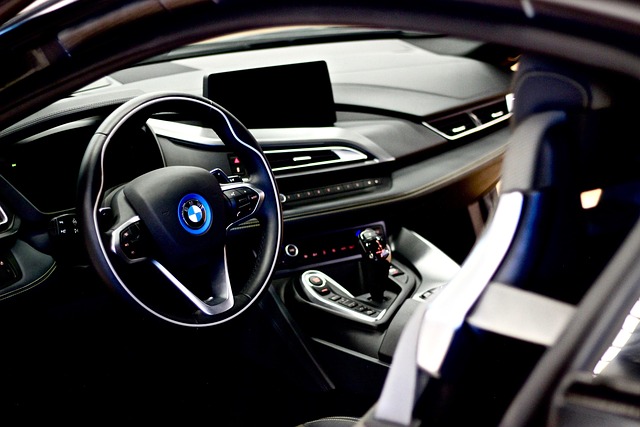
Before diving into the replacement process, thorough preparation is key to ensuring a smooth and successful installation of your new car stereo. The first step involves assessing your current in-car infotainment system and identifying areas for improvement. For instance, if you’re upgrading from an outdated stereo with limited connectivity options, consider the modern trends in in-car cybersecurity solutions and touchscreen infotainment consoles that offer advanced features like Apple CarPlay or Android Auto integration. These not only enhance your entertainment experience but also provide navigation, voice-controlled climate control, and easy access to your smartphone apps.
Research is imperative at this stage. Study the specifications of your vehicle’s make and model to understand compatibility issues, especially with newer vehicles that may require specific hardware or software for seamless integration. Verify that the new stereo you’ve selected aligns with these requirements. Moreover, familiarize yourself with any legal or regulatory considerations related to in-car cybersecurity, ensuring your installation adheres to local laws and guidelines.
Another critical aspect is data backup. Before dismantling your current system, back up all important settings, radio presets, and audio files. This meticulous approach guarantees that you can restore your personalized preferences if needed, ensuring a seamless transition without losing valuable customizations. By taking these preparatory steps, you’ll be well-equipped to handle the actual replacement process with confidence and expertise.
Selecting the Right In-Car Infotainment System

Selecting the right in-car infotainment system is a crucial step in enhancing your driving experience. Today’s modern vehicles are equipped with sophisticated entertainment and navigation systems that go beyond basic radio functionality. When replacing your car stereo, consider an upgrade to a high-resolution car display that offers crystal-clear visuals for movies, music, and GPS directions. A top-tier in-car infotainment system should integrate seamlessly with your smartphone via Bluetooth, enabling hands-free calls, streaming music, and easy access to your digital media library.
One of the critical aspects to evaluate is cybersecurity. With an increasingly connected car ecosystem, ensuring your infotainment system is secure from potential hacking threats is essential. Look for models that incorporate robust in-car cybersecurity solutions to safeguard personal data and prevent unauthorized access. For instance, advanced systems may feature encryption protocols, secure over-the-air updates, and intrusion detection mechanisms designed to protect against malicious software. According to a recent study by the Center for Automotive Research, approximately 90% of new vehicles are now equipped with some form of infotainment system, underlining the growing importance of cybersecurity in this domain.
In selecting your new car infotainment, focus on features that align with your driving needs and preferences. Some systems offer advanced driver assistance systems (ADAS) integration for improved safety, while others prioritize voice command capabilities for hands-free convenience. For instance, Apple CarPlay and Android Auto are popular options that allow you to access smartphone apps directly through your car’s display, promoting safer and more intuitive interaction. Ultimately, the best in-car infotainment system is one that offers a perfect balance between entertainment, navigation, safety, and cybersecurity features tailored to your specific requirements.
Install and Calibrate Your New Stereo System

When replacing your car stereo, a successful installation and calibration are key to unlocking the full potential of your new in-car infotainment system. Start by selecting a stereo that aligns with modern car audio trends, offering features like Apple CarPlay or Android Auto for seamless syncing of music across devices. Ensure it’s compatible with your vehicle’s make and model for a hassle-free integration.
The setup process begins with connecting your new stereo to your car’s electrical system. Refer to your vehicle’s manual for specific instructions on power and ground connections. Once installed, calibration is crucial for optimal sound quality. Many modern stereos feature built-in calibration tools that use microphones to analyze and adjust the system’s frequency response, ensuring precise and balanced audio output across all speakers.
Consider leveraging cloud-based car services for enhanced convenience. These platforms allow you to access music libraries, podcasts, and radio stations from various providers, all controllable through your new stereo. For example, Apple Music offers a vast library of tracks, while Spotify provides personalized playlists and recommendations. By synchronizing these services with your stereo, you gain easy access to entertainment options that extend beyond local storage.
Regularly update your stereo’s firmware to take advantage of the latest features and bug fixes. Manufacturers often release updates that improve stability and compatibility with emerging cloud-based car services. A well-calibrated, up-to-date stereo system ensures a premium listening experience tailored to today’s in-car infotainment landscape.
Replacing your car stereo can transform your driving experience by enhancing both entertainment and safety. Key insights from this article highlight the importance of thorough preparation, choosing the right Select In-Car Infotainment system tailored to your needs, and professional installation for optimal results. By following these steps – preparing your vehicle, making informed selections, and ensuring proper calibration – you can enjoy a seamless upgrade that enhances your daily commute or long-distance travels. This authoritative guide equips you with the knowledge to make confident decisions, ensuring a successful car stereo replacement that delivers both functionality and satisfaction.