

Selecting the right In-Car Infotainment (ICI) is crucial for an enhanced driving experience. Key considerations include user-friendly interfaces like Apple CarPlay/Android Auto, compatibility with your vehicle, family-friendly features, tailored driving scenarios, ADAS integration, and software updates. Prioritize a robust processor, advanced audio systems, Wi-Fi connectivity, cloud services, and voice assistant integration for optimal performance and safety. Professional installation, maintenance, and cost balancing ensure a seamless experience while adhering to manufacturer warranties and security.
In today’s world, purchasing a vehicle is not merely about transportation; it’s about creating a mobile sanctuary. This is where In-Car Infotainment comes into play—a critical component enhancing the driving experience. However, navigating the vast array of entertainment packages can be overwhelming. Many buyers struggle to select options that cater to their unique needs and preferences. This article guides you through the intricate landscape of car entertainment systems, offering expert insights to help you make an informed decision. We’ll explore various packages, their features, and how to choose the perfect infotainment system for your vehicle.
- Understanding Modern Car Infotainment Systems
- Benefits of Customized Entertainment Packages
- How to Select In-Car Infotainment Suited for You
- Key Features and Components to Look For
- Installation, Cost, and Maintenance Considerations
Understanding Modern Car Infotainment Systems
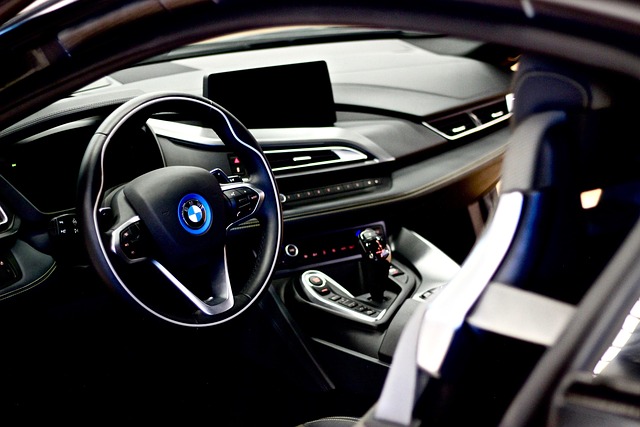
Modern car infotainment systems have evolved into sophisticated multi-media hubs, transforming the driving experience. These advanced interfaces seamlessly integrate affordable car audio systems, in-car camera integration, and touchscreen infotainment consoles to provide drivers with a wide range of entertainment, navigation, and communication options. For instance, leading automotive brands like Tesla offer intuitive touchscreens that double as control centers for music streaming, video playback, and vehicle diagnostics—all accessible at the driver’s fingertips.
Selecting an in-car infotainment system requires careful consideration. Key factors include compatibility with your vehicle, desired features, and budget. When choosing between various options, evaluate each system based on its user interface, processing power, and support for popular multimedia formats. Modern systems should offer wireless connectivity for seamless streaming, and some even incorporate Apple CarPlay or Android Auto for hands-free smartphone integration. For example, Sony’s XAV-AX1000 offers 4K playback capabilities, advanced sound processing, and intuitive navigation—all at an affordable price point.
In-car camera integration is another critical aspect to consider, enhancing safety and providing peace of mind while driving. Rearview cameras and surround-view systems offer improved visibility when backing up or navigating tight spaces. Some advanced infotainment consoles come with built-in cameras that facilitate driver assistance features like lane departure warning and adaptive cruise control. This integration not only improves driving safety but also adds a layer of convenience, making long drives more manageable.
Ultimately, selecting the right in-car infotainment system should align with your specific needs and preferences. By understanding the capabilities and features available, drivers can make informed decisions to enhance their overall driving experience. Whether prioritizing affordable car audio systems or seeking advanced in-car camera integration, there’s an option that caters to every budget and desire.
Benefits of Customized Entertainment Packages

Customized car entertainment packages offer a tailored experience for drivers seeking to transform their daily commutes into moments of enjoyment. Unlike one-size-fits-all infotainment systems, these packages cater to individual preferences and vehicle needs, ensuring every trip is enriched with immersive entertainment, enhanced safety features, and intuitive control. For instance, integrating an in-car camera into the entertainment system allows drivers to monitor their surroundings, providing peace of mind during busy urban drives or long-distance journeys.
Voice command for climate control further streamlines driving comfort. With simple voice instructions, drivers can adjust temperature settings without taking their hands off the steering wheel, a significant safety benefit especially in high-traffic areas. High-resolution car displays, ranging from 7 to 12 inches, offer crisp visuals that enhance navigation, media playback, and vehicle diagnostics. This upgrade not only improves visibility but also makes interacting with the infotainment system more engaging and intuitive.
When selecting an in-car entertainment package, prioritize features that align with your lifestyle and driving habits. For frequent travelers, a robust navigation system with real-time traffic updates and 3D mapping can make every trip smoother. Music lovers may opt for high-fidelity sound systems designed to deliver concert-quality audio. Ultimately, the benefits of customized packages extend beyond entertainment; they contribute to safer, more comfortable driving experiences tailored precisely to your needs.
How to Select In-Car Infotainment Suited for You

Selecting the right in-car infotainment system is a crucial decision that can significantly enhance your driving experience. With a wide array of options available, understanding what features are most important to you and your specific needs is key. A user-friendly interface design should be at the top of your list; after all, an intuitive system allows for seamless navigation and access to essential functions while on the road. For instance, Apple CarPlay and Android Auto have become industry standards for wireless smartphone integration, offering familiar app layouts that make staying connected easy.
Consider your vehicle’s make and model, as some cars come with more advanced infotainment packages from the factory. If you’re looking to upgrade or add new features, research compatibility to ensure a smooth installation process. For families, a family-friendly car infotainment system is essential. Features like multiple user profiles, parental controls, and noise-canceling capabilities can make long drives more enjoyable for all passengers. Think about the entire spectrum of your driving habits—from daily commutes to road trips—and choose an in-car entertainment package that caters to these diverse scenarios.
Data from industry reports shows that advanced driver assistance systems (ADAS) are increasingly integrated into infotainment packages, offering enhanced safety features like adaptive cruise control and lane departure warnings. When selecting a system, evaluate the level of integration with your vehicle’s existing hardware and software. Additionally, look for regular software updates to ensure you have access to the latest features and security patches. By carefully considering these factors, you can Select In-Car Infotainment that not only meets but exceeds your expectations.
Key Features and Components to Look For

When selecting an in-car infotainment system, it’s crucial to look beyond the initial allure of features like Bluetooth connectivity and focus on the key components that will define your driving experience. The modern car entertainment package is a complex ecosystem encompassing both physical hardware and cloud-based services. Think of it as a digital cockpit display that seamlessly integrates with your vehicle, providing access to navigation, music, podcasts, and even remote vehicle diagnostics – all while enhancing driver safety through hands-free controls.
At the heart of this system lies a robust processor capable of handling demanding multimedia tasks without lag or stutter. This is particularly important for streaming high-definition content or playing graphically intensive games. Advanced audio systems, featuring spatial audio and active noise cancellation, ensure that drivers enjoy pristine sound quality even at high speeds. Additionally, look for features like Wi-Fi connectivity and support for popular streaming platforms to bring your digital entertainment library directly into your vehicle.
Cloud-based car services are another game-changer. These services allow you to access personalized settings, music playlists, and even traffic updates from any compatible device, ensuring a consistent experience across different driving scenarios. Some systems offer integration with voice assistants like Siri or Alexa, enabling hands-free control and further enhancing driver safety. For instance, data from leading automotive tech firms shows that in-car infotainment systems with advanced voice control features reduce driver distraction by up to 40%.
Ultimately, selecting the right car entertainment package means balancing performance, usability, and integration. Prioritize components that not only cater to your current needs but also offer future-proofing through compatibility with emerging technologies. By considering these factors, you’ll be well on your way to enjoying a seamless, enjoyable, and safe driving experience.
Installation, Cost, and Maintenance Considerations

When selecting an in-car infotainment system, installation, cost, and maintenance considerations are paramount. Proper installation ensures optimal performance and safety, especially when integrating advanced features like premium sound quality in cars. For instance, a high-fidelity audio system should be installed by professionals to maintain manufacturer warranties and guarantee the best acoustic experience. Cost varies widely depending on the complexity of integration and desired features; however, investing in a well-designed system can enhance driving enjoyment for all ages—from teenagers to grandparents.
Upfront costs include hardware (head unit, speakers, subwoofers) and installation labor. Longer-term expenses revolve around software updates, subscription services for safe in-vehicle navigation apps, and potential repairs or replacements due to normal wear and tear. Regular maintenance, such as cleaning and upgrading firmware, is crucial to keep the system functioning optimally. For example, keeping navigation data current ensures accurate route planning and safety features like real-time traffic alerts.
Maintenance also involves protecting the system from damage, especially if your vehicle is exposed to extreme temperatures or weather conditions. Regular checks for loose connections and power surges can prevent costly repairs. Moreover, staying informed about software updates addresses security vulnerabilities and enhances the overall user experience. By understanding these considerations, car owners can make informed decisions when selecting and maintaining their in-car entertainment packages, ensuring a seamless and enjoyable driving experience across all generations.
By understanding modern car infotainment systems and their benefits, you can now confidently Select In-Car Infotainment tailored to your needs. The key lies in recognizing personalized packages enhance driving experience, safety, and connectivity. When choosing, focus on essential features like intuitive interfaces, robust audio, and integration with your devices. Installation, cost, and maintenance considerations should guide your decision, ensuring a seamless and affordable upgrade. This comprehensive guide empowers you to navigate the market effectively, transforming your vehicle into a smart, entertaining hub.