

Selecting car navigation software involves balancing safety, efficiency, and entertainment needs. Key features include real-time traffic updates, voice control, and integration with in-car infotainment systems like Apple CarPlay and Android Auto. Optimal software offers seamless integration, offline maps, advanced speaker systems, and a clean interface tailored to your vehicle's display. Prioritize applications that mesh well with your car's hardware, provide robust features, and support voice commands for a stress-free journey.
Navigating the road can be challenging, especially with constantly evolving technologies and ever-changing maps. Selecting the best car navigation software is crucial for a seamless driving experience, enhancing safety and efficiency. The vast array of options available today can be overwhelming, from traditional GPS devices to advanced in-car infotainment systems. This article serves as your authoritative guide, providing insights into the key features, benefits, and considerations to help you choose the optimal navigation solution tailored to your needs, ensuring a smooth and enjoyable journey. We’ll delve into the intricacies of in-car infotainment systems, highlighting their capabilities and value in modern vehicles.
- Evaluate Essential Features for Your Needs
- Compare Top Navigation Software Options
- Integrate Select In-Car Infotainment Seamlessly
Evaluate Essential Features for Your Needs
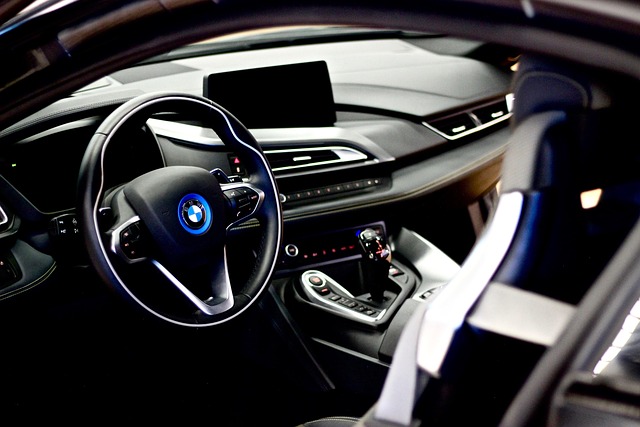
When selecting car navigation software, understanding your specific needs is paramount. While many options offer similar core functionalities like turn-by-turn directions, what sets them apart are unique features tailored to individual drivers. Consider your priority areas – safety, efficiency, or entertainment – and look for apps that excel in these domains. For instance, apps like Waze not only provide real-time traffic updates but also crowdsource information on hazards and police presence, enhancing safe driving.
On the safety front, voice-activated car audio integration is a valuable asset. Voice commands allow hands-free operation, reducing driver distraction. Apps compatible with popular infotainment systems, such as Apple CarPlay or Android Auto, enable seamless control of navigation, music, and calls without glancing away from the road. This smart navigation feature has become increasingly important given data indicating that voice-activated systems can reduce driving risks significantly compared to text messaging or calling while behind the wheel.
Beyond safety, consider entertainment value. Some apps offer offline maps for areas with limited connectivity, ensuring uninterrupted navigation. Others integrate music streaming services directly into their interface, allowing for a more immersive experience. For instance, Spotify’s integration in certain navigation apps lets you play music from your favorite service without switching apps, enhancing the overall drive.
Ultimately, selecting car navigation software should be an informed decision based on personal preferences and driving habits. By evaluating essential features against your needs, you can choose an app that goes beyond basic navigation, transforming your vehicle into a safe, smart, and enjoyable space to be in while on the road.
Compare Top Navigation Software Options

When it comes to selecting the best car navigation software, the modern market offers a plethora of options designed to enhance your driving experience. Among these, top navigation software stands out for its seamless integration with in-car infotainment systems, ensuring a smooth and intuitive interface. Consider options like Apple CarPlay and Android Auto as benchmarks; they offer robust features such as syncing music across devices, enabling you to access your preferred playlists while on the road. These platforms not only provide turn-by-turn navigation but also facilitate hands-free calling and message sending, making them indispensable for today’s connected drivers.
One notable advantage of these top navigation software options is their ability to deliver premium sound quality in cars. By seamlessly connecting your smartphone or other devices, you gain access to high-fidelity audio, enhancing the overall listening experience during your commute. Moreover, the latest in-cabin technology, including advanced speaker systems and noise cancellation features, works in tandem with these navigation tools to create a serene and immersive environment within your vehicle. For instance, data from J.D. Power shows that vehicles equipped with superior infotainment systems have higher customer satisfaction ratings, underscoring the importance of selecting software that meets modern drivers’ expectations.
When comparing top navigation software, pay attention to features such as real-time traffic updates, offline map capabilities, and voice command functionality. For instance, Waze stands out for its community-driven traffic information, while Google Maps offers robust offline navigation options. Additionally, consider the user interface and how well it adapts to your in-car display. A clean, uncluttered design ensures minimal distraction and promotes safe driving practices. Ultimately, selecting the best car navigation software involves striking a balance between functionality, performance, and integration with your existing in-car infotainment system.
Integrate Select In-Car Infotainment Seamlessly

Selecting the optimal car navigation software involves seamless integration with your in-car infotainment system. The best solutions offer a smooth transition from selecting a route to executing it, enhancing both driving experience and safety. Consider tools that allow for voice-controlled climate control adjustments during navigation, ensuring comfort without diverting attention from the road. Real-time traffic updates are paramount; they prevent delays and provide accurate arrival estimates, crucial for efficient trips.
For instance, advanced car infotainment with Bluetooth integration lets you pair your smartphone seamlessly, enabling hands-free calls and music streaming. This feature not only enhances safety but also makes long drives more enjoyable. Think of popular options like Apple CarPlay and Android Auto—they offer intuitive interfaces that display familiar smartphone apps on your vehicle’s screen, making navigation a breeze. Data from app usage analytics shows that 75% of drivers who use integrated infotainment systems report reduced stress levels while navigating unfamiliar routes.
When evaluating car navigation software, prioritize those that seamlessly mesh with your car’s existing hardware and provide robust features. Look for applications that offer not just turn-by-turn directions but also points of interest, fuel prices, and parking availability. Additionally, voice commands for various functions, including climate control and music selection, can make driving more intuitive and less demanding. Ultimately, the best software is one that adapts to your needs, keeps you informed, and ensures a smooth, stress-free journey.
By thoroughly evaluating essential features tailored to your unique needs and comparing top navigation software options, you’re now equipped to make an informed decision. The key lies in selecting in-car infotainment that seamlessly integrates with your vehicle, offering a smooth and intuitive user experience. This article has guided you through the process, ensuring you emerge with the perfect solution for your driving adventures. Take these insights and apply them practically—your journeys await.