

To achieve high-fidelity sound in your car, select in-car infotainment systems with advanced components like amplifiers, DSP, and high-resolution displays. Key features include:
– High-resolution audio outputs & customizable equalizers for superior quality.
– Integration with streaming music apps and smartphone connectivity (Android Auto, Apple CarPlay).
– Regular firmware updates and intuitive interfaces for easy usability.
– Strategic speaker placement and sound absorption materials for optimized acoustics.
Calibrate audio for balanced experience and consider upgrading your car stereo kit for enhanced quality. Prioritize safe driving practices while enjoying integrated navigation and voice-controlled climate control. Rising consumer demand underscores the growing importance of premium sound systems in enhancing passenger comfort.
In today’s world, music and audio experiences play a pivotal role in our daily lives, especially while driving. The quest for high-fidelity sound in cars has evolved from a mere luxury to an expected standard. However, achieving superior audio quality on the road presents challenges due to factors like vehicle acoustics, limited space, and diverse listening preferences. This article delves into the intricacies of enhancing your in-car infotainment experience, specifically focusing on how to enjoy high-fidelity sound while navigating through different landscapes and conditions. We’ll explore strategies and technologies that transform your car’s audio system into a symphony of immersive sound.
- Understanding High-Fidelity Sound Systems
- Choosing the Right In-Car Infotainment System
- Setting Up and Calibrating Your Audio
- Maximizing Your Car's Acoustic Potential
Understanding High-Fidelity Sound Systems
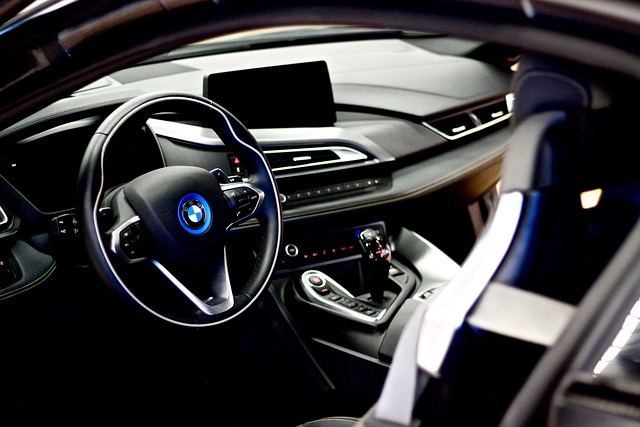
To enjoy high-fidelity sound in your car, understanding the components of a multimedia car entertainment system is paramount. A robust in-car entertainment system transcends basic audio playback; it immerses you in a symphony of rich, detailed sounds tailored to enhance your driving experience. At its heart lies the amplifier, which converts digital signals into analog ones, powering speakers strategically placed within the vehicle for optimal sound distribution. These systems often incorporate advanced technologies like digital signal processing (DSP) to fine-tune audio performance, ensuring every note is delivered with precision and clarity.
Select in-car infotainment systems go beyond basic audio by integrating Apple CarPlay compatibility, allowing you to seamlessly connect your iPhone and access a multitude of apps, including streaming music services, navigation, and smartphone functions right on your car’s display. This integration not only enhances convenience but also safety by enabling hands-free operation of critical applications. Modern systems often feature high-resolution displays with intuitive user interfaces, ensuring easy navigation and control. Moreover, advanced audio formats like FLAC (Free Lossless Audio Codec) offer unparalleled sound quality, preserving the artist’s intended vision down to the smallest detail.
When configuring your in-car entertainment system, consider the vehicle’s interior acoustics. Sound absorption materials and strategic speaker placement can dramatically improve the overall listening experience. Customization is key; many systems allow you to fine-tune equalization settings to match your personal preference or even the acoustic properties of your car. Regularly updating firmware and taking advantage of manufacturer upgrades ensures your system remains at the forefront of technology, delivering the best possible performance for years to come.
Choosing the Right In-Car Infotainment System

Experience immersive high-fidelity sound in your car by selecting the right in-car infotainment system. This is no trivial task given the plethora of options available today. A top-tier infotainment system seamlessly integrates with your vehicle and personal preferences, transforming your driving experience. Consider a touchscreen infotainment console as these offer intuitive interfaces for easy navigation and control. They also support popular music streaming services for cars like Spotify, Apple Music, and Amazon Music, allowing you to access millions of songs on the go.
When choosing your in-car entertainment system, prioritize features that enhance your listening experience. High-resolution audio outputs, customizable equalizers, and spatial sound effects can dramatically improve the quality of your music and podcasts. Advanced systems also include streaming music apps for cars, ensuring you stay connected to your favorite tunes even during long drives. For instance, Android Auto and Apple CarPlay have become industry standards, enabling seamless integration with compatible smartphones.
Data from market research firms suggests that modern drivers value in-car infotainment systems that offer diverse entertainment options, robust connectivity, and easy usability. Therefore, look for a system that supports various media formats, allows for wireless charging, and provides regular software updates to keep your interface and apps current. By selecting an in-car infotainment system with these considerations in mind, you’ll not only enjoy high-fidelity sound but also have a reliable companion for all your on-the-road adventures.
Setting Up and Calibrating Your Audio

To enjoy high-fidelity sound in your car, proper setup and calibration of your audio system are paramount. Start by selecting an in-car infotainment system that supports advanced audio features like high-resolution audio playback and multi-zone sound. Modern infotainment systems often come with intuitive interfaces for easy control, and some even integrate with safe in-vehicle navigation apps to enhance both driving experience and safety. For example, Apple CarPlay and Android Auto offer voice recognition infotainment capabilities, allowing you to access music, podcasts, and navigation without taking your hands off the wheel.
Once you’ve chosen your infotainment system, a crucial step is calibrating your car’s audio. This involves adjusting the levels of each speaker to ensure a balanced sound across all zones. Many modern systems offer automatic calibration tools that use microphones to analyze the vehicle’s acoustic properties, ensuring optimal performance. For those looking to elevate their audio experience further, consider investing in a car stereo upgrade kit. These kits can include amplifiers, better speakers, and signal processors to enhance bass response, clarity, and overall sound quality. According to a recent study by Car and Driver magazine, upgrading your car stereo can improve perceived sound quality by as much as 30%.
Manual calibration is also an option for audio enthusiasts. This involves adjusting crossovers, equalizers, and delay settings to suit the unique acoustics of your vehicle. High-end receiver manufacturers often provide detailed instruction manuals and apps that guide through this process step-by-step. Remember, safe driving practices should always come first when making these upgrades. Ensure any changes you make do not distract or divert your attention from the road. Integrating high-fidelity audio into your car can significantly enrich your commute, but it’s essential to maintain a balanced approach that prioritizes both entertainment and safety.
Maximizing Your Car's Acoustic Potential

Maximizing your car’s acoustic potential involves a strategic blend of cutting-edge technology and thoughtful design choices. In today’s automotive landscape, premium sound quality in cars has evolved from a luxury to an expectation, thanks to advancements in in-car infotainment systems. For instance, Apple CarPlay compatibility has become a standard feature in many modern vehicles, seamlessly integrating your smartphone’s music apps, allowing you to enjoy your favorite playlists without compromising on driving safety.
Voice-controlled climate control is another testament to this trend, offering drivers hands-free adjustments to maintain the perfect listening environment. This not only enhances driver convenience but also underscores the growing emphasis on intuitive and interconnected automotive experiences. When selecting an in-car infotainment system, prioritize natural sound propagation and high-fidelity audio reproduction. High-end speakers tailored for specific vehicle layouts can transform even the humblest rides into mobile concert halls.
Data from industry reports indicate that consumers are increasingly seeking out vehicles that cater to their audio needs. A study by IHS Markit revealed that premium sound systems are becoming more widespread, with adoption rates rising significantly among mid- and upper-level vehicle segments. This shift reflects a growing awareness of the role sound quality plays in overall passenger comfort and satisfaction. To unlock your car’s full acoustic potential, consider investing in an upgraded audio system designed to deliver consistent, crystal-clear sound across all frequencies—a true dance of harmony for both driver and passengers.
By understanding the fundamentals of high-fidelity sound systems and strategically choosing the right In-Car Infotainment System, you can transform your driving experience. Setting up and calibrating your audio properly is key to unlocking your car’s full acoustic potential. Follow these essential steps: first, identify your music preferences to Select In-Car Infotainment that aligns with them; second, ensure proper installation and calibration for optimal sound quality; and lastly, explore ways to enhance your car’s acoustics for a truly immersive listening experience. This article equips you with the knowledge to make informed decisions, ensuring you enjoy high-fidelity sound on every drive.