

Before upgrading, assess current audio system compatibility and functionality. Select in-car infotainment systems with high-quality signal processing for superior sound. Choose speakers with advanced technologies like 3D mapping and high-resolution audio support. Integrate Apple CarPlay, Android Auto, and GPS for smartphone connectivity and driver assistance. Calibrate the system for balanced frequency response and immersive audio. Ensure proper amplifier and wiring setup for optimal current flow. Test new components thoroughly before installation.
In the modern world, music is an integral part of our daily commutes. Upgrading your car audio system from basic to high-fidelity can significantly enhance your driving experience. However, navigating the vast array of options and technologies can be daunting. This article provides a comprehensive guide to upgrading your in-car infotainment, focusing on sound quality and the role of advanced audio systems. We’ll explore essential components, best practices for installation, and tips for optimizing your system for maximum enjoyment. By the end, you’ll be equipped with the knowledge to transform your car into a symphony of rich, immersive sound.
- Assess Your Current Car Audio System
- Understand Sound Quality Fundamentals
- Upgrade Speakers for Crystal Clear Sound
- Select In-Car Infotainment Wisely
- Optimize Amplifiers and Wiring
- Calibrate and Fine-Tune for Perfect Harmony
Assess Your Current Car Audio System
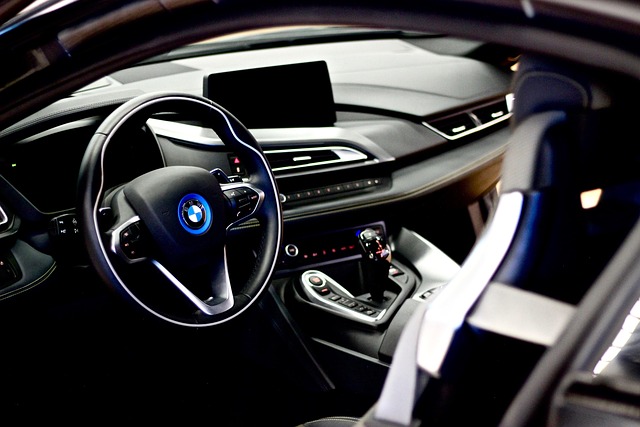
Before diving into upgrading your car audio system for better sound quality, it’s crucial to assess your current setup. This involves more than just checking the year of your vehicle; it requires a thorough examination of the components and their integration. Consider the age and condition of your speakers, head unit, and amplifier. Outdated systems may lack the clarity and power of modern components, even with basic upgrades. Real-time vehicle diagnostics tools built into contemporary infotainment systems also offer valuable insights into your car’s performance, enhancing both safety and driving experience.
Your in-car infotainment system acts as the central hub for not just sound but also driver assistance features and latest in-cabin technology. Modern systems integrate seamlessly with smartphones, enabling hands-free calling, music streaming, and navigation. Some advanced models even offer voice control capabilities, allowing you to adjust settings without taking your hands off the steering wheel. For instance, Apple CarPlay and Android Auto have become industry standards, providing a familiar interface for smartphone users. When selecting an upgrade, look for systems that support these platforms and offer intuitive menus, crisp display, and responsive controls.
Assessing your current setup also involves understanding how well your car audio system integrates with other vehicle systems. Modern in-car infotainment systems are designed to enhance real-time diagnostics, providing alerts for maintenance needs or potential issues. They can also interface with advanced driver assistance features (ADAS), such as adaptive cruise control and lane-keeping assist, improving safety and convenience. When upgrading, ensure your new system is compatible with these features and enhances, rather than hinders, their functionality. This ensures a seamless driving experience that leverages the latest in-cabin technology while delivering superior sound quality.
Understand Sound Quality Fundamentals

Understanding sound quality fundamentals is crucial when upgrading your car audio system. Sound is measured in hertz (Hz), which represents the number of cycles per second. Lower Hz numbers correspond to lower, deeper bass notes, while higher Hz numbers yield brighter treble sounds. Midrange frequencies, around 250-4000 Hz, carry most voices and instruments. Balanced sound reproduction requires these ranges to be accurately represented.
One key aspect is source quality: your car’s infotainment system plays a significant role in audio performance. Modern in-car infotainment systems like Android Auto for vehicles or GPS mapping software offer superior digital signal processing, ensuring clean audio signals from streaming services or radio transmissions. For instance, these platforms can enhance vocal clarity and reduce background noise during calls via Bluetooth connectivity. Location-based recommendations powered by GPS mapping software also personalize your listening experience based on your surroundings, adjusting settings for optimal ambiance in different environments.
Selecting the right speakers is another vital component. Different speaker types, like coaxial or component setups, offer unique advantages in sound projection and frequency response. High-quality speakers designed for automotive applications provide enhanced clarity and power handling, ensuring you hear every detail of your favorite tracks. Additionally, proper installation, including strategic placement and reinforcement, is essential to minimize vibrations and optimize acoustic performance.
Advanced audio processing techniques further elevate sound quality. Digital signal processors (DSPs) can fine-tune frequency response, enhance dynamics, and even reduce room acoustic issues in the car interior. Many modern systems offer built-in equalization tools that allow for precise adjustments based on vehicle specifics and personal preferences. By combining these elements—high-quality infotainment, strategic speaker selection, optimal placement, and sophisticated processing—you can transform your in-car audio experience, enjoying superior sound quality every time you drive.
Upgrade Speakers for Crystal Clear Sound

Upgrading your car’s audio system is a significant step towards enhancing your driving experience, especially when prioritizing crystal clear sound quality. The heart of this transformation lies in selecting the right speakers for your in-car infotainment system, ensuring every note and detail is reproduced accurately. When tackling this task, it’s crucial to understand that not all speakers are created equal. High-end car audio brands invest heavily in research and development to create components that deliver exceptional sound performance, often employing advanced technologies such as 3D mapping for drivers. This feature ensures precise sound projection, allowing you to enjoy your favorite tracks with the same immersive experience you’d get at home.
For instance, consider a leading brand known for its precision engineering. Their high-resolution speakers utilize advanced materials and design principles to minimize distortion and maximize clarity. These speakers can recreate complex audio signals with remarkable accuracy, whether playing back lossless audio formats or streaming high-fidelity content through Apple CarPlay compatibility. This integration not only ensures your music sounds as intended but also provides easy access to various streaming services, making long drives more enjoyable than ever.
When selecting speakers, keep in mind that 3D mapping technology plays a vital role in creating an immersive soundstage within your vehicle. This feature allows you to position audio sources accurately, ensuring front, rear, and surround sounds converge seamlessly. As a result, you’ll experience a more natural listening environment, enhancing the overall entertainment value of your car, especially during trips with multiple passengers. Remember, investing in high-end car entertainment is not just about luxuriating in superior sound; it’s also about safety. Clear audio communication can significantly improve your awareness while driving, making it a smart choice for any vehicle upgrade.
Select In-Car Infotainment Wisely

Upgrading car audio for better sound quality involves more than just swapping out speakers; it’s about selecting an in-car infotainment system that seamlessly integrates with your digital lifestyle while delivering unparalleled audio experiences. Today’s advanced systems offer features like music visualization displays, Android Auto for vehicles, and auto entertainment solutions tailored for all ages—from young children to grandparents. These technologies not only enhance the enjoyment of music and podcasts but also ensure safety by keeping your eyes on the road while interacting with your device.
When choosing an in-car infotainment system, consider its compatibility with your vehicle and personal preferences. High-resolution audio capabilities, support for high-quality file formats like FLAC and ALAC, and customizable equalization settings are key to unlocking the full potential of your favorite tracks. Moreover, advanced features such as voice control, Apple CarPlay, and Android Auto integration allow for seamless connectivity with your smartphone, providing quick access to contacts, maps, and media apps.
For instance, leading automotive brands now offer infotainment systems with built-in music visualization displays that visually represent the rhythm and beats of your music, enhancing the overall listening experience. These displays can range from simple waveforms to complex animations, adding a dynamic element to your in-car entertainment. Additionally, auto entertainment systems designed for younger audiences include interactive games, educational apps, and parental control features, ensuring that travel time is both enjoyable and productive for all ages.
In terms of implementation, start by assessing your current setup and identifying areas for improvement. Upgrading to a higher-quality head unit with built-in amplifiers can significantly boost sound quality. Integrating Android Auto or Apple CarPlay allows for wireless connectivity, hands-free calling, and voice-controlled navigation, making it safer and more convenient to manage your media while on the road. Regularly update your software to take advantage of new features and security patches, ensuring optimal performance and compatibility with your devices.
Optimize Amplifiers and Wiring

Optimizing your car’s audio system involves a careful consideration of various components, with amplifiers and wiring playing a pivotal role in achieving superior sound quality. Amplifiers act as the power boosters for your speakers, ensuring that the audio signal is strong and clear. When upgrading, select amplifiers designed to match your vehicle’s unique electrical requirements and speaker setup. Modern amplifiers often feature advanced processing capabilities, allowing them to adjust and optimize sound based on various factors like speaker sensitivity and room acoustics—a game-changer for tailored, high-fidelity listening experiences.
Proper wiring is equally critical. Over time, factory wiring can degrade or become inadequate for improved audio systems. Upgrade your wiring harness to ensure minimal signal loss and optimal current flow. High-quality wiring uses insulated copper conductors that maintain signal integrity, preserving the detail and dynamics of your music. For instance, when integrating a new touchscreen infotainment console—a popular choice for interactive in-cabin experiences—a well-upgraded wiring system guarantees that real-time traffic updates and multimedia functions are delivered without delay or distortion.
When selecting an amplifier or wiring kit, look for products certified by reputable audio standards organizations to ensure compatibility and quality. Additionally, consider the speaker load capacity to prevent overloading and potential damage. For example, a high-power amplifier designed for a 4-speaker system may not be suitable for a 6.5-inch subwoofer and midrange speakers—a common upgrade path. Always test new components thoroughly before final installation to ensure seamless integration and the best possible sound quality, creating an immersive audio environment that enhances your driving experience.
Calibrate and Fine-Tune for Perfect Harmony

Upgrading car audio for better sound quality involves more than just swapping out speakers; it’s about calibrating and fine-tuning your system for perfect harmony. This process begins with selecting an in-car infotainment system that seamlessly integrates advanced driver assistance features, offering both affordable luxury and a superior listening experience. Systems that incorporate location-based recommendations can enhance your drive, providing tailored audio experiences based on your surroundings.
Calibration is the art of balancing frequency response, ensuring each speaker contributes accurately to the overall sound. Professional calibration tools measure and adjust levels, allowing you to fine-tune bass, treble, and midrange for a balanced, detailed listen. Many modern infotainment systems now include built-in calibration wizards, guiding you through the process with precise instructions. These tools analyse your vehicle’s acoustics and tailor settings for optimal performance.
Consider the example of high-end audio brands offering affordable luxury infotainment packages. These systems often feature advanced digital signal processing (DSP) to enhance sound quality. DSP can correct room acoustic issues, apply dynamic range compression for consistent volume levels, and even simulate surround sound effects through your car’s speakers. Some models also allow location-based recommendations, adjusting settings for better enjoyment during different types of driving—from city streets to open highways.
By combining a carefully selected infotainment system with expert calibration, you can transform your daily commute into an immersive audio journey. This investment not only enhances your music listening but also improves driver assistance features, ensuring clear communication and navigation instructions. Remember, the goal is to achieve a symphony of sound that complements your driving experience, leaving you focused, entertained, and immersed in every mile.
By thoroughly assessing your current car audio system, understanding fundamental sound quality principles, upgrading speakers for crisp clarity, selecting robust in-car infotainment naturally, optimizing amplifiers and wiring, and finally calibrating for harmonious results, you can significantly enhance your automotive listening experience. This comprehensive approach ensures not only superior sound quality but also a seamless integration that elevates your drives. Embrace these key insights as your guide to transforming your car into a mobile symphony, where every journey becomes an auditory delight.