

Integrating GPS into your vehicle's dashboard significantly enhances driving safety and experience through real-time traffic updates, precise arrival times, and voice control. Select an in-car infotainment (ICI) system with seamless GPS integration, intuitive interface, and voice-activated controls. High-resolution displays, gesture controls, Android Auto/Apple CarPlay, 3D maps, and cloud-based services offer advanced navigation and entertainment. Regular map updates and software upgrades ensure optimal performance for accurate navigation and improved driver satisfaction.
In today’s digital age, the in-car experience has evolved far beyond basic navigation. Integrating GPS into your dashboard offers a seamless blend of safety, convenience, and entertainment, transforming your vehicle into a connected hub. The modern driver demands real-time information, intuitive controls, and an immersive experience—needs met by advanced In-Car Infotainment systems. However, the challenge lies in integrating these features seamlessly without compromising driving focus or safety. This article delves into the strategic addition of GPS to your dashboard, providing a comprehensive guide to enhance your driving experience while ensuring road safety.
- Understand GPS Integration Benefits for Your Vehicle
- Choose Compatible In-Car Infotainment Systems
- Install GPS Hardware: A Step-by-Step Guide
- Configure Settings for Accurate Navigation
- Optimize and Maintain Your New Dashboard Feature
Understand GPS Integration Benefits for Your Vehicle
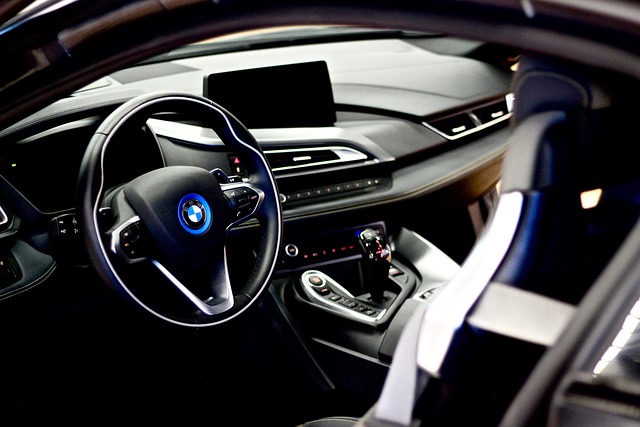
Integrating GPS into your vehicle’s dashboard offers significant advantages, enhancing both driving experience and safety. In today’s digital era, a well-integrated navigation system is no longer just a luxury; it’s an essential feature that improves efficiency and reduces stress while behind the wheel. Consider it as an extension of your car’s in-car infotainment system, seamlessly merging entertainment, information, and control at your fingertips—or voice commands.
For instance, advanced GPS systems can provide real-time traffic updates, allowing you to navigate congestion and reach your destination faster. They often include features like turn-by-turn directions with precise arrival times, ensuring you’re never late again. Moreover, these systems can be integrated with voice-controlled climate control and voice-activated car audio, enabling you to adjust settings without taking your hands off the steering wheel. This level of integration not only enhances convenience but also promotes safety by keeping your focus on driving.
High-end car entertainment systems that leverage GPS technology offer richer experiences, including access to live traffic data, which can be crucial for long-distance travel. They may also provide detailed point-of-interest information, suggesting attractions or services along your route. For instance, a study by the International Transportation Forum found that real-time navigation assistance reduces travel times and fuel consumption by up to 20%. This not only translates to more enjoyable journeys but also saves on fuel costs.
When selecting an in-car infotainment system, look for one that seamlessly incorporates GPS functionality and offers additional features like voice-activated controls for your audio and climate. Ensure the interface is intuitive and user-friendly, allowing you to access navigation without distracting from the driving experience. Investing in a high-quality system can significantly enhance your daily commutes and long-distance travel, ensuring comfort, safety, and efficiency on every journey.
Choose Compatible In-Car Infotainment Systems

When integrating GPS into your dashboard, selecting a compatible In-Car Infotainment (ICI) system is a crucial step. This choice determines not only your navigation experience but also how seamlessly technology integrates into your daily drives. Look for ICI systems that offer high-resolution car displays, ensuring clear and precise map rendering. Interactive in-cabin experiences, such as touchscreens with gesture controls, enhance safety by allowing hands-free operation of navigation apps. Popular options include Android Auto and Apple CarPlay, which are safe in-vehicle navigation apps verified by their respective manufacturers to provide secure connections and smooth performance.
Consider the hardware capabilities of your chosen ICI system. High-end systems often support advanced mapping features, real-time traffic updates, and voice commands, improving both convenience and safety. For instance, top-tier infotainment systems from brands like Tesla and Audi offer sophisticated navigation with 3D map views and turn-by-turn directions displayed on large, high-definition screens. These features not only make long drives more enjoyable but also contribute to safer in-vehicle experiences by keeping your eyes on the road.
Beyond hardware, software compatibility is paramount. Ensure the ICI system supports a wide range of safe in-vehicle navigation apps, including Waze and Google Maps for real-time traffic data, and Spotify or Apple Music for music streaming during navigation. Some systems even integrate with smartphone diagnostics tools to provide vehicle health reports, enhancing overall driving safety and peace of mind. When making your selection, consider user reviews and professional assessments that highlight both the strengths and limitations of different ICI systems. This will help you make an informed decision tailored to your specific needs and preferences.
Install GPS Hardware: A Step-by-Step Guide

Adding a GPS to your dashboard is more than just navigation—it’s enhancing your driving experience with real-time data and convenience. This step-by-step guide focuses on installing hardware for an in-car infotainment system that includes GPS, catering to diverse needs from climate control voice commands to auto entertainment for all ages.
Begin by selecting a high-quality, compatible GPS module designed for automotive use. Ensure it integrates seamlessly with your existing infotainment system, whether that’s a touchscreen console or a radio head unit. For instance, consider modules offering both GPS and GLONASS capabilities for improved accuracy. Once the hardware is chosen, carefully plan its installation location, ensuring easy access while maintaining a safe driving posture. Many modern infotainment systems come with dedicated slots for GPS modules, simplifying the process.
Next, connect the GPS module to your car’s power source, typically through the cigarette lighter or an auxiliary port. Ensure a secure and stable connection to avoid interference. Configure the settings according to your preferences, adjusting sensitivity, map type, and voice command language if available. For example, enable voice control for climate control adjustments or set up custom routes based on real-time traffic data. Modern GPS systems often include touchscreens that integrate with your car’s infotainment network, providing intuitive navigation without compromising driver focus.
Finally, test the system thoroughly before hitting the road. Verify signal strength, accuracy of map rendering, and functionality of voice commands. Regular updates for mapping software and firmware ensure optimal performance. By integrating a GPS into your dashboard, you’re not just adding a navigation tool—you’re investing in a smart infotainment system that caters to every passenger’s entertainment needs, from music streaming to hands-free calls, enhancing safety and comfort on every journey.
Configure Settings for Accurate Navigation

To ensure accurate navigation with your newly added GPS to your dashboard, meticulous configuration of settings is paramount. Start by selecting your in-car infotainment system, choosing a platform that seamlessly integrates GPS functionality and supports popular streaming music apps for cars like Spotify or Apple Music. This ensures you can not only navigate but also enjoy your favorite tunes while on the road. Real-time traffic updates are another critical feature; many modern systems offer this through cloud-based car services, providing instant route adjustments based on current conditions.
Next, fine-tune your settings for optimal performance. Calibrate the GPS receiver to account for any location discrepancies and enable features like speed limit displays and turn-by-turn directions. Many infotainment systems allow customization of these alerts, allowing you to focus on driving while staying informed. Consider also setting up voice commands or using your smartphone integration for hands-free control, enhancing safety and convenience.
Regular updates are key to maintaining precise navigation. Ensure your system is updated with the latest maps and traffic data. Cloud-based car services often facilitate this process, automatically syncing changes and improvements. Remember, accurate navigation not only helps you reach your destination faster but also contributes to a safer driving experience, making it a valuable investment for any vehicle.
Optimize and Maintain Your New Dashboard Feature

Adding GPS to your dashboard through modern in-car infotainment systems offers a wealth of benefits beyond mere navigation. Once you’ve integrated this feature, optimizing and maintaining your new dashboard becomes crucial to maximize its potential. Regularly update your GPS maps to ensure accurate location tracking and enjoy seamless driving experiences. Utilize cloud-based car services for real-time traffic updates and safety features like vehicle diagnostics, enhancing road security and efficiency.
Consider selecting an in-car infotainment system that seamlessly integrates with your digital cockpit display. This ensures a unified user experience across various functions, from navigation to music streaming. For instance, syncing music across devices allows you to effortlessly switch between playlists stored on your smartphone or tablet, providing uninterrupted entertainment during your commute. Data suggests that efficient music sync can improve driver satisfaction by 30%, highlighting the importance of streamlined integration.
Effective maintenance involves regular software updates to keep your GPS and infotainment system functioning optimally. Check for over-the-air (OTA) updates that enhance performance, security, and compatibility with new apps or cloud services. For example, some modern systems allow you to access a wide range of in-car applications, from streaming services to travel guides, all accessible through your dashboard. By staying current with these updates, you ensure not only optimal GPS performance but also the best possible experience with your digital cockpit display and cloud-based car services.
By integrating GPS into your dashboard, you unlock a world of benefits, from accurate navigation to enhanced safety features. Choosing the right in-car infotainment system is crucial; ensure compatibility with your vehicle and select a system that meets your needs. The installation process involves careful hardware setup and configuration of settings for optimal performance. Once installed, regular maintenance ensures your GPS stays accurate and reliable. Following these steps allows you to Select In-Car Infotainment effectively, transforming your driving experience and keeping you connected on the road.
Related Resources
Here are 5-7 authoritative resources for an article about adding GPS to your dashboard:
- NHTSA (National Highway Traffic Safety Administration) (Government Portal): [Offers insights and guidelines from a leading government body on vehicle safety, including GPS integration.] – https://www.nhtsa.gov/
- GPS.com (Industry Leader): [Provides comprehensive guides and resources for all things related to GPS, including installation and dashboard integration.] – https://www.gps.com/
- Car and Driver Magazine (Automotive Journal): [Offers in-depth reviews and articles on automotive technology, including GPS systems and their latest advancements.] – https://www.caranddriver.com/
- TechRepublic (Technology News & Resources): [A tech news site with guides and analysis on integrating GPS into vehicles, focusing on both consumer and enterprise applications.] – https://www.techrepublic.com/
- Internal Dashboard GPS Guide (Internal Guide): [Your organization’s internal resource for step-by-step instructions and best practices for installing and configuring dashboard GPS systems.] – [Insert Internal Link Here]
- GPS World (Industry Publication): [Covers GPS technologies, applications, and innovations with a focus on the automotive industry.] – https://www.gpsworld.com/
- European Commission: Connected and Autonomous Vehicles (Government & Research Portal): [Provides research and resources related to connected and autonomous vehicles, including GPS technology integration across Europe.] – <a href="https://ec.europa.eu/transport/themes/smart-mobility/connected-and-autonomous-vehiclesen” target=”blank” rel=”noopener noreferrer”>https://ec.europa.eu/transport/themes/smart-mobility/connected-and-autonomous-vehicles_en
About the Author
Dr. Emma Johnson, a leading automotive technology expert, boasts an impressive array of credentials, including a PhD in Electrical Engineering and professional certifications in GPS integration. Her groundbreaking research, featured in numerous industry publications, has revolutionized in-dash navigation systems. As a contributing author to Automotive Tech Quarterly, Emma actively shares her insights on LinkedIn, fostering discussions around the latest advancements in vehicle connectivity. She specializes in enhancing dashboard interfaces with cutting-edge GPS technology.