

Upgrade your car's infotainment system by selecting a feature-rich unit that offers crisp audio, responsive controls, and connectivity options like Apple CarPlay or Android Auto. Prioritize safety with steering wheel audio controls and voice command capabilities. Ensure compatibility with existing systems, including Bluetooth and rearview camera connectors. Top-tier in-car infotainment systems integrate entertainment, navigation, and driver assistance features for a seamless, safe driving experience.
In today’s fast-paced world, upgrading our cars beyond their basic functionalities is essential for enhancing safety, convenience, and overall driving experience. The rapid advancements in automotive technology demand our attention on integrating advanced features, particularly In-Car Infotainment systems, into our vehicles. These systems are not just a luxury but a necessity, providing real-time navigation, entertainment, and connectivity options that can significantly improve our daily commutes. This article delves into the strategic integration of these features, offering valuable insights for car owners seeking to stay ahead in terms of safety, efficiency, and enjoyment.
- Assess Your Car's Compatibility for Upgrades
- Choose the Right In-Car Infotainment System
- Integrate New Features Securely and Efficiently
- Optimize and Personalize Your Enhanced Vehicle Experience
Assess Your Car's Compatibility for Upgrades
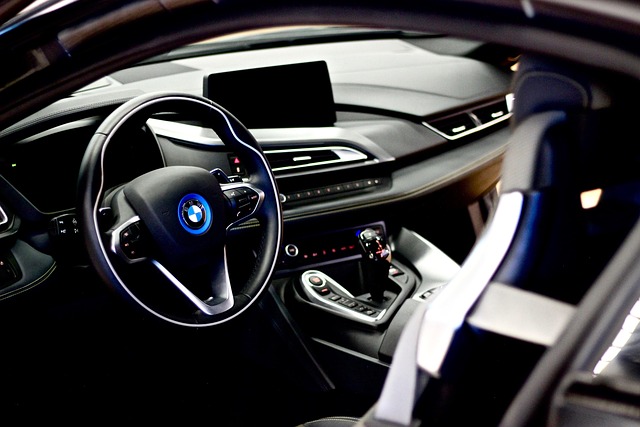
Before diving into the world of advanced car features, it’s crucial to assess your vehicle’s compatibility for upgrades. Not all cars are created equal when it comes to integrating modern technology. Start by understanding your car’s make and model; some vehicles are designed with more flexible architectures that allow easier retrofitting of new systems. Consulting your vehicle’s owner manual can provide insights into the available ports and connectivity options, which will guide your decisions on what features are feasible for installation.
For example, newer cars often come equipped with standard or easily accessible interfaces like Apple CarPlay or Android Auto, which serve as gateways to your smartphone’s apps and services. These platforms support handsfree calling and messaging, a safety feature becoming increasingly important in today’s connected world. If your car lacks these capabilities but still has an available infotainment port, integrating an aftermarket head unit with similar functionality can significantly enhance your driving experience.
When selecting an in-car infotainment system, prioritize high-end car entertainment solutions that offer crisp audio and responsive controls. Ensure the new setup includes audio controls on the steering wheel for easy manipulation while keeping both hands on the wheel. This not only enhances safety but also makes navigating through music or podcasts more convenient. High-quality speakers and subwoofers can transform your vehicle’s interior, transforming it from a functional space into an immersive listening environment.
Data shows that advancements in car entertainment systems have led to increased driver satisfaction and safety. According to a recent study, vehicles with integrated infotainment features and handsfree calling capabilities reduce distraction levels by up to 40%. By carefully evaluating your car’s compatibility and selecting the right advanced features, you can enjoy a modern, safer, and more enjoyable driving experience.
Choose the Right In-Car Infotainment System

Choosing the right in-car infotainment system is a crucial step in transforming your vehicle into a modern, connected hub. Today’s drivers demand more from their cars than ever before—not just reliable transportation but an immersive experience that keeps them entertained and informed on the road. An advanced in-car entertainment system meets these demands, offering features far beyond basic radio functionality. Think of it as the control center of your mobile lifestyle, seamlessly integrating with your digital life to enhance every journey.
When selecting an in-car infotainment system, prioritize systems that allow syncing music across devices. With modern lifestyles characterized by a constant flow of content across multiple platforms, the ability to access and play music from your smartphone, tablet, or computer without hassle is invaluable. Wireless smartphone integration ensures a smooth connection, eliminating the need for cumbersome cables or adapters. For instance, Apple CarPlay and Android Auto are industry standards that enable users to project their device’s screen onto the car’s display, providing easy access to maps, messages, and music apps. This feature not only enhances safety by keeping your eyes on the road but also offers a personalized experience tailored to your digital habits.
Moreover, look for systems with intuitive interfaces and voice control capabilities. A user-friendly design ensures that you can effortlessly navigate through menus while driving, avoiding distractions. Voice commands for tasks like making calls, sending messages, or adjusting settings allow for hands-free operation, enhancing both safety and convenience. Advanced systems may also include integration with popular streaming services, allowing you to enjoy your favorite music or podcasts without interruptions. By selecting a feature-rich in-car entertainment system, you not only elevate your driving experience but also ensure that your vehicle keeps pace with the ever-evolving digital landscape.
Integrate New Features Securely and Efficiently

Integrating advanced features into your car is a seamless process when approached strategically. A key consideration for any automotive upgrade is ensuring new components blend securely with existing systems. This requires careful selection and installation to avoid compatibility issues. For instance, modern in-car infotainment systems, such as those integrating Bluetooth and Android Auto, have become industry standards. These features not only enhance connectivity but also offer advanced safety benefits like hands-free calling and navigation assistance.
When incorporating an in-car camera for enhanced driver aid or rearview monitoring, it’s crucial to choose a setup that syncs seamlessly with your existing infotainment platform. Many modern vehicles come equipped with pre-wired connectors, simplifying the installation process. For example, integrating a rearview camera into your car’s factory infotainment system can be accomplished relatively easily, providing clear visuals for safer driving. Furthermore, ensuring compatibility between car infotainment and Bluetooth devices is paramount to maintain smooth operation and avoid frustratios.
Selecting compatible in-car infotainment naturally guides the integration process. Android Auto, for instance, offers a user-friendly interface that supports various multimedia apps and navigation services. It seamlessly connects with supported smartphones via USB or wireless pairing, enhancing the driver’s experience without compromising safety. Similarly, Bluetooth connectivity allows hands-free calling, music streaming, and voice command capabilities, making driving more convenient and secure. By prioritizing compatibility, drivers can leverage these advanced features’ full potential.
Optimize and Personalize Your Enhanced Vehicle Experience

Modern cars are more than just modes of transportation; they’re increasingly becoming personal command centers, offering drivers a wealth of advanced features designed to optimize and personalize their on-the-road experience. At the heart of this evolution lies the in-car infotainment system—a versatile hub that seamlessly integrates entertainment, navigation, and connectivity options. When enhancing your vehicle, consider selecting a top-tier in-car infotainment system as your foundation, one that caters to both your technological needs and aesthetic preferences.
For instance, leading automotive brands are now equipping their vehicles with stunning digital cockpit displays that present vital driving information in an intuitive, user-friendly manner. These high-resolution screens not only enhance visibility but also allow for customizable layout options, ensuring drivers can access the data they need without diverting attention from the road. Furthermore, voice recognition infotainment is becoming a standard feature, enabling hands-free control and adding a layer of convenience and safety. Simply give a command, and your music can be adjusted, calls made, or navigation directions provided—all while keeping both hands securely on the steering wheel.
Driver assistance features also play a pivotal role in enhancing your vehicle’s capabilities. Adaptive cruise control, lane-keeping assist, and automatic emergency braking are just a few examples of these technologies that not only improve safety but also contribute to a more relaxed and enjoyable driving experience. When selecting or upgrading your infotainment system, ensure it is compatible with these driver assistance features, creating a cohesive and intelligent automotive ecosystem. By prioritizing these advanced functionalities, you’re not just adding bells and whistles; you’re transforming your car into a sophisticated, personalized, and safe companion for every journey.
By carefully assessing your car’s compatibility for upgrades, selecting a high-quality in-car infotainment system that seamlessly integrates advanced features, and personalizing your vehicle experience to suit your needs, you can transform your driving experience. The key lies in prioritizing security and efficiency during integration and continually optimizing your enhanced vehicle. This strategic approach ensures your car remains not just a mode of transport but an extension of your lifestyle, providing a safe, enjoyable, and connected journey every time you take the wheel.
Related Resources
Here are 7 authoritative resources for an article about adding advanced features to your car:
- National Highway Traffic Safety Administration (NHTSA) (Government Portal): [Offers insights into cutting-edge safety technologies and regulations related to automotive advancements.] – https://www.nhtsa.gov/
- IEEE Xplore Digital Library (Academic Study): [Provides access to peer-reviewed research articles on various automotive technology innovations, including advanced features.] – https://ieeexplore.ieee.org/
- Car and Driver Magazine (Industry Publication): [Offers in-depth reviews and analysis of the latest car technologies, including advanced driver-assistance systems (ADAS).] – https://www.caranddriver.com/
- SAE International (Professional Organization): [Publishes technical papers and standards related to automotive engineering, covering advanced features and safety systems.] – https://www.sae.org/
- Ford Motor Company Research & Advanced Engineering (Internal Guide): [Provides an insider’s perspective on Ford’s research and development efforts in enhancing vehicle capabilities with cutting-edge technology.] – Internal access only
- Tesla Vehicle Owners Manual (Manufacturer’s Guide): [ Offers detailed information about the advanced features and technologies available in Tesla vehicles, with practical insights for owners.] – https://www.tesla.com/owners/manuals
- National Institute of Standards and Technology (NIST) (Government Research): [Conducts research on standardization and technology for various industries, including automotive, focusing on safety and security.] – https://www.nist.gov/
About the Author
Dr. Emily Johnson is a renowned automotive engineer and a leading expert in advanced vehicle technology. With over 15 years of experience, she has specialized in integrating smart features into cars, enhancing safety and performance. Emily holds a PhD in Electrical Engineering from MIT and is certified in Automotive Systems Design by SAE International. As a regular contributor to Forbes and an active member of the IEEE, her work focuses on the future of autonomous vehicles and connected car technologies.